
Sunday Reset Batch Cooking: 5 Components, A Week of Dinners
I tried the five-matching-containers version of meal prep and quit in a month. Sunday reset batch cooking — a grain, a protein, a sauce, a roasted veg, a bright thing — is what actually stuck, and here is why.
It's Wednesday, 6:40 p.m., and I'm staring at the fourth identical container of chicken, brown rice, and broccoli I cooked on Sunday. I'd genuinely rather eat the container. That was my first run at meal prep, years ago — five matching tubs, two hours of my Sunday, and by Thursday I'd ordered Thai with one hand while the rest sat there going sad in the fridge. The food wasn't bad. It was relentless: the same forkful on repeat until I resented a meal I'd worked hard for.
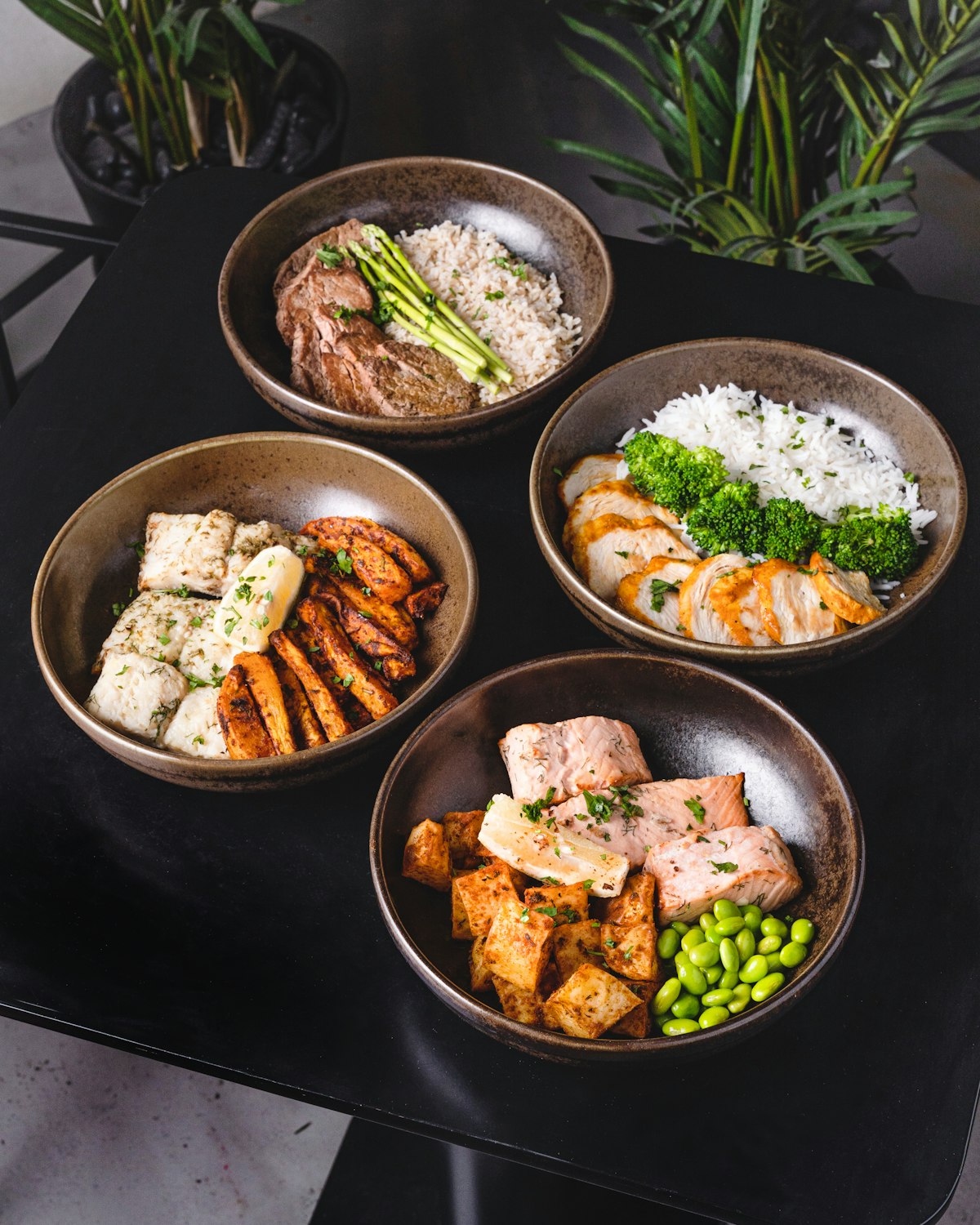
What finally stuck wasn't more discipline — I tested that hypothesis thoroughly, and I do not have more discipline. It was a different shape, the one I now think of as Sunday reset batch cooking. Instead of cooking five finished dinners, I cook five unfinished components: a grain, a protein, a sauce, a roasted vegetable, and one bright, sharp thing to wake everything up. None of them is a meal. All of them, in rotation, are a week of meals. Monday's grain bowl becomes Wednesday's wrap becomes Friday's soup — you never eat the same plate twice, which is the only reason I still do this three years on when the matching tubs lasted me a month.
So here are the five, the actual ratios, and the part nobody photographs: the planning that makes it survive a real week.
Why Components Beat Complete Meals
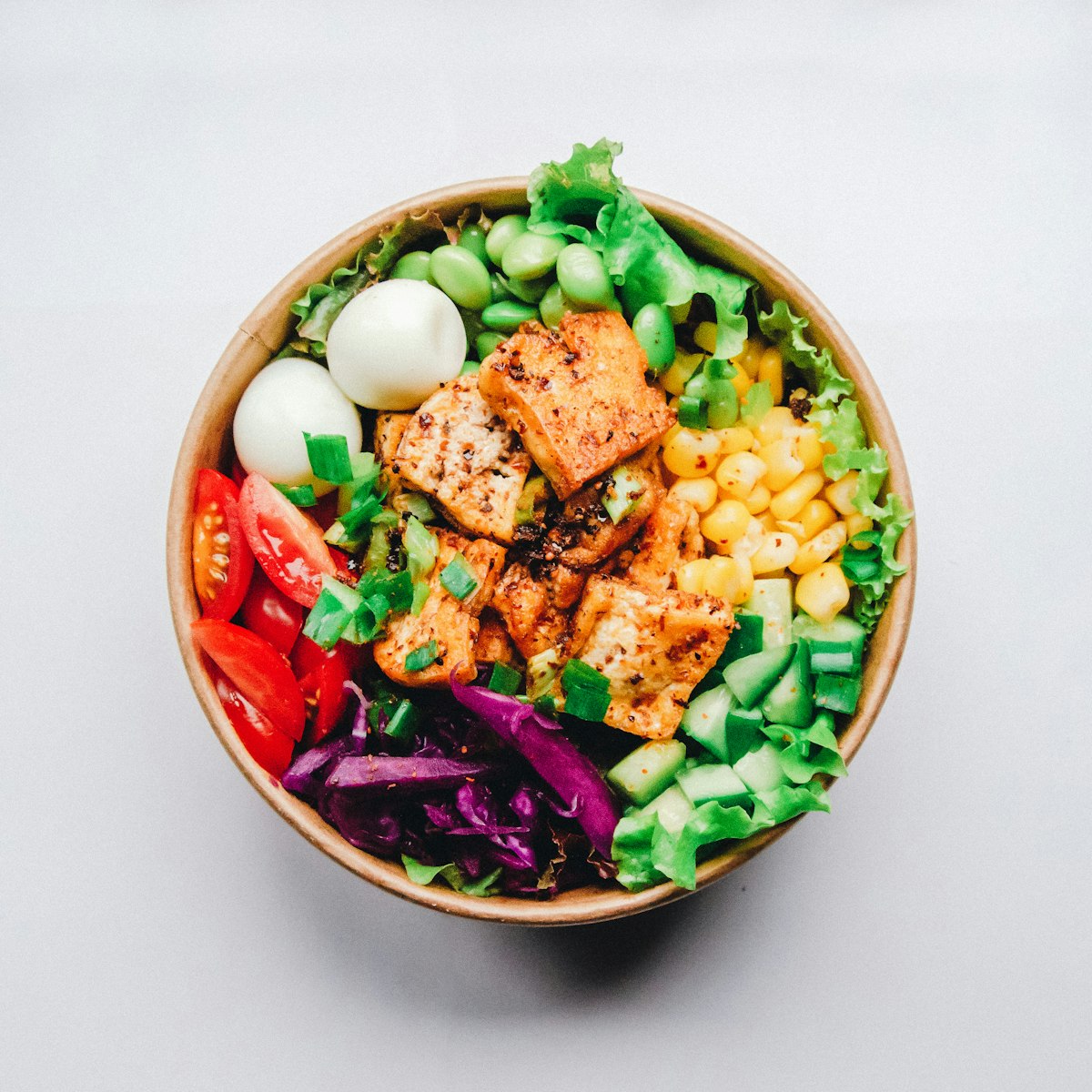
The container photo lied to you, and it's worth saying exactly how. That grid of seven identical lunches, stacked like a supply depot, runs head-on into the way appetite actually works: your brain dials down the reward from a food the more times you eat it in a row. You already know the feeling, because you've opened a fridge full of food you cooked and didn't want. The containers weren't the bug. The sameness was.
Component cooking fixes it by separating the cooking from the assembling. On Sunday you do the slow, dish-dirtying work — roasting, simmering, blending — once. Then you assemble in minutes all week: the same braised chicken anchors a grain bowl Monday, shreds into a wrap Wednesday, simmers into a soup Friday. Three dinners, one protein, zero repetition.
You're not meal prepping. You're stocking a personal larder — and a larder is the opposite of a menu. A menu tells you what to eat. A larder asks what you feel like.
The deeper reason this works is decision fatigue, not laziness — and once you see the mechanism you stop blaming yourself for the 6 p.m. collapse. The hard part of a weeknight was never the cooking; a good stir-fry takes twelve minutes. It's the moment you open the fridge with no plan, no energy, and a brain that's already spent its good decisions on the day, and have to invent something from raw inputs. Sunday reset batch cooking collapses that moment: you start not from a cold onion but from food that's mostly cooked, and the only question left — how to combine it — is one your tired brain can actually answer.
The Five Batch Cooking Components, and Why These Five
The categories aren't arbitrary — this is the part I wish someone had explained before I'd ruined a few Sundays figuring it out. Each does a structural job:
- A grain — the canvas. Carries everything else and reheats without complaint.
- A protein — the anchor. Turns a side dish into dinner and keeps you full past 9 p.m.
- A sauce — the connective tissue. Makes the same four ingredients taste like three different cuisines.
- A roasted vegetable — the depth. Caramelized edges and concentrated sweetness raw vegetables can't give you.
- A bright thing — the wake-up. Pickled, acidic, or crunchy: the contrast that keeps everything from going flat.
Miss any one and you feel it — I've run that experiment by accident more than once. Skip the bright thing and your bowls taste muddy by Tuesday; skip the sauce and you're eating components, not meals. The frame is the difference between a fridge of ingredients and a fridge of dinners-in-waiting. The recipes:
The grain: a pot you season warm

Cook a big pot of something with structure — I rotate between farro, brown rice, and French green lentils (technically a legume, but it plays the grain's role and brings protein too).
Farro, the ratio that works: 1 cup farro to 3 cups water, a big pinch of salt, simmered uncovered like pasta for 25–30 minutes until tender but still faintly chewy — a little pop before it yields. Drain any excess. Don't cook it to mush; mushy farro can't be Thursday's salad.
The move that changes everything: season and fat the grain while it's warm. This isn't a flourish — it's physics. Warm starch is still gelatinized and open, so it pulls in oil, acid, and salt as it cools; cold grain has set, and seasoning just slides off. So the second the farro drains, toss it with a glug of olive oil, a squeeze of lemon, and salt — now it isn't a neutral starch waiting to be saved, it already tastes like something. It's the single most ignored step in batch cooking, and the reason most prepped grains taste like packing material. Store it in a wide, shallow container — depth traps steam and turns grains gummy — and it keeps five days.
The protein: forgiving, and built to bend

You want a protein that reheats without turning to rubber and shreds, slices, or crumbles into whatever the night demands. Braised chicken thighs are my standard. Thighs, not breasts, and the reason is structural: thighs carry more fat and connective tissue, which melts to gelatin as they cook and keeps them juicy through a second-day reheat. Breast has almost none of that buffer, so it dries to string by day two.
Braised chicken thighs: Salt 2 pounds of boneless, skinless thighs well. Sear in a hot, oiled pan until deeply browned on one side — wait for it; that mahogany color is the Maillard reaction doing the work, concentrated flavor you can't add back later. Flip, add a cup of stock and a smashed garlic clove, cover, and simmer gently for 25 minutes until they pull apart at the nudge of a fork. Let them cool in their own liquid — that liquid is half the point, a built-in sauce for Friday's soup.
Plant-eaters: a pot of seasoned chickpeas or a slab of roasted, pressed tofu fills the same role. The criterion isn't the source — it's whether it survives a week and bends into multiple formats. If you track protein for any reason — strength training, a GLP-1 prescription, staying full — Grovli's Macros / Today dashboard counts it for you. But the batch is the real tool: protein you don't have to think about on a Tuesday is the protein you'll actually eat.
The sauce: the cheapest lever you have
The sauce separates component cooking from sad desk salad, and pound for pound it's the cheapest lever you can pull on flavor — it's why the same grain-and-protein base reads Mediterranean on Monday and Korean-ish on Thursday. Make one rich and emulsified, one sharp and herby, and five components make a dozen distinct meals.
The everything tahini sauce: ¼ cup tahini, juice of one lemon, one small garlic clove grated to paste, ½ teaspoon salt, warm water added a tablespoon at a time. The part that makes people think they broke it: it seizes into something pasty and clumped the instant the acid hits. That's not failure — it's the oil and water separating, then re-emulsifying. Keep whisking, keep dribbling in water, and it comes back glossy and pourable. The seizing is a stage, not a mistake.
The green sauce (a loose chimichurri): finely chop a big bunch of parsley, a small shallot, and a garlic clove; cover with olive oil, add red wine vinegar to taste, salt, and a pinch of red pepper flakes. No blender — the texture matters, and a blender turns it to bitter green slurry. A jar of this is how you escape monotony without cooking anything.
If a fridge of flexible parts — and the small daily pleasure of deciding what they become — is your kind of thing, the next note lands in your inbox. No rush, no firehose. Just one good idea most weeks, here when you want it.
The roasted vegetable: heat does the work

Roasting is non-negotiable, and not because it sounds healthy — because of what high, dry heat actually does. It drives off surface water until the temperature can climb past boiling, and only then do browning and caramelization kick in, concentrating the vegetable's own sugars into that deep, almost meaty flavor. A steamed sweet potato is fine; a roasted one, edges gone almost black and sticky, is a different food.
The method for almost anything: cut into uniform pieces, toss with enough oil to coat and a real amount of salt, spread in a single layer with space between them, and roast at 425°F. Crowd the pan and the vegetables steam in their own escaping moisture instead of browning — the same reason your stir-fry goes gray when you dump in too much at once. The gap between the pieces is the whole game. This season I lean on Broccolini, which roasts in about 18 minutes into crisp, frizzled tips and tender stalks. Sweet potatoes (¾-inch cubes, 30 minutes) and cauliflower (florets, 25 minutes) fill out the rotation.
If you grow any of your own, this is where a garden stops being a hobby and becomes dinner. A glut of late-summer zucchini dies in the crisper unless you planned to roast it — exactly the gap The Grove closes, logging your harvest into the week's plan so the zucchini becomes Tuesday instead of compost. More in garden to table.
The bright thing: the most skipped, the most useful

Everything else on the plate is rich, warm, soft, deep. The bright thing is the opposite — sharp, cold, acidic, crunchy — and that contrast keeps a bowl from collapsing into beige sameness by midweek. Acid cuts richness and resets your palate between bites, so the food keeps registering as interesting.
Quick-pickled red onion: thinly slice one red onion, pack it into a jar, pour over ¾ cup hot vinegar (white wine or apple cider) mixed with 1 teaspoon salt and 1 teaspoon sugar. Push the onions under the liquid. In twenty minutes the hot vinegar has tamed the raw bite and the slices have gone shocking magenta, crisp, and tart. They keep two weeks and make everything — every bowl, every wrap, every fried egg — taste deliberate. Other weeks it's a cabbage slaw with lime, or a wedge of lemon. The category matters more than the specific: something acidic, something with crunch.
Why Planning Is What Makes Sunday Reset Batch Cooking Stick
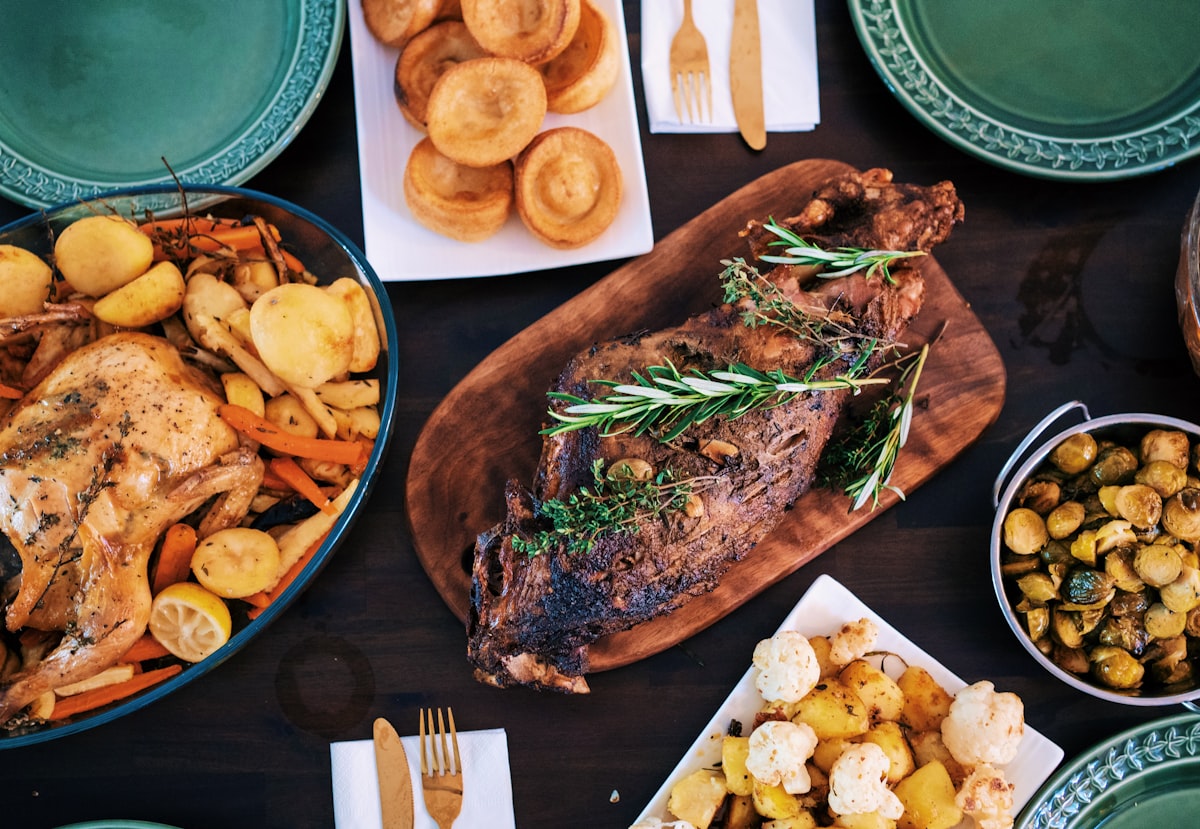
Here's the honest thing the glossy meal-prep content skips, and the thing that took me longest to admit: components in the fridge are not a system. They're inventory. The system is knowing what those parts will become before you start — so you buy the right amounts and don't lose Thursday to staring into a fridge full of perfectly good parts with no idea what to do with them. I learned that one the expensive way.
This is where a distinction matters. What I'm describing isn't meal planning — picking which dinners you'll eat on which nights, the rigid grid that breaks the first time Wednesday goes sideways. It's food planning, not just meal planning: the whole loop from what's in your pantry, to what you buy, to how five components recombine across the week. Meal planning is one slice. The bigger frame bends instead of breaking — and that flexibility is why it lasts, because a plan that survives a bad Wednesday is the only plan you'll still be running in March.
In practice, the planning is light. Before I shop, I rough out how the five parts recombine — just a loose map:
- Grain bowl: grain + protein + roasted veg + sauce + bright thing. The default, the full assembly.
- The wrap: protein + bright thing + sauce, rolled in a tortilla or stuffed in pita. Lunch, or a tired dinner.
- The grain salad: grain + roasted veg + green sauce + feta, served cold.
- The soup: protein + its braising liquid + grain, loosened with stock, finished with green sauce. Friday, when the fridge is thinning.
- The fried-egg situation: a fried egg over leftover grain and roasted veg, pickled onion on top. The 9 p.m. no-dinner dinner.
Five formats, and the math compounds — five components reshuffle into far more than five dinners. The mistake is treating these as rigid recipes. It's a grammar, not a script: once you see that grain + protein + sauce + roasted thing + bright thing is the shape of dinner, you stop needing recipes at all.
The planning is also where the grocery side pays off, because component cooking only saves money if you buy what the plan needs, not a cart of hopeful, half-used produce — I've watched a "cheap" batch-cooking week cost more than takeout because half the cart never made it onto a plate. A smart grocery list that reads your Pantry — and crosses off the third jar of tahini you forgot you owned — is the difference between saving money and relocating your food waste to a nicer fridge.
The Sunday Reset Batch Cooking Session, Start to Finish
Preheat the oven to 425°F first — it's the bottleneck. Get the grain simmering and the chicken searing while the vegetables roast; the sauces and the pickled onion need no heat, so they fill the gaps while something else hogs the stove. By hour two, everything's cooled into wide shallow containers. It's real work — ninety minutes the first time, closer to an hour once you stop reading the steps — but it buys back five weeknights, and that trade is exactly why this outlived my matching containers. For the nights you didn't prep, weeknight dinner without the time is the companion piece.
What You're Actually Building

A Sunday reset isn't really about the food. It's about taking a decision you make badly when you're tired — what's for dinner — and making it once, on a calmer afternoon, when you've got the bandwidth to make it well. That's the trick: you're not cooking dinner on Sunday so much as cooking the option of a good dinner, five nights out, moving the deciding to the one window where it's cheap. A kinder bargain than the seven matching tubs ever offered — and unlike the tubs, one I've actually kept.
So start with the five: a grain, a protein, a sauce, a roasted vegetable, a bright thing. Rough out how they recombine before you shop, not after. Then let the rest of the week be assembly — the part you can do half-asleep and still eat like you tried.
For more of this — the recipes, the planning behind them, the occasional strong opinion about tahini — follow CitiGrove and Grovli on Instagram. And if you'd rather hand the planning off entirely, Grovli builds a week's food plan across 40+ cuisines in under 30 seconds and hands you the matching grocery list — on the App Store for iPhone, or the web below.
- grocery shopping
The 20-Minute Grocery Run
I timed a normal grocery trip once. Eighty-four minutes. Almost none of it was walking or waiting — it was standing in aisles deciding what to cook. Move the deciding out of the store and the run collapses.
Read essay → - feeding a family
Feeding a Family Without Losing the Plot
I once counted forty separate decisions before I'd cooked a single thing. Feeding a family isn't a recipe problem — it's a logistics problem, and the fix is a plan that flexes instead of four menus that don't.
Read essay → - macro tracking
Tracking Macros Without Losing Your Mind
I spent a while weighing chicken on a kitchen scale at 11 p.m., logging every gram, wondering where the joy went. Macros are a useful tool. The daily-confession ritual around them is the part that breaks people.
Read essay →
Let Grovli plan your food, not just your meals.
A personalized food plan in under 30 seconds — from what you grow to what lands on the table, with the grocery list already done.