
Seasonal Eating Guide 2026: The Best of Every Month
A month-by-month seasonal eating guide for 2026, built from the produce I actually buy: what tastes best, costs least, and packs the most nutrition each season — and the mechanism behind why all three line up at once.
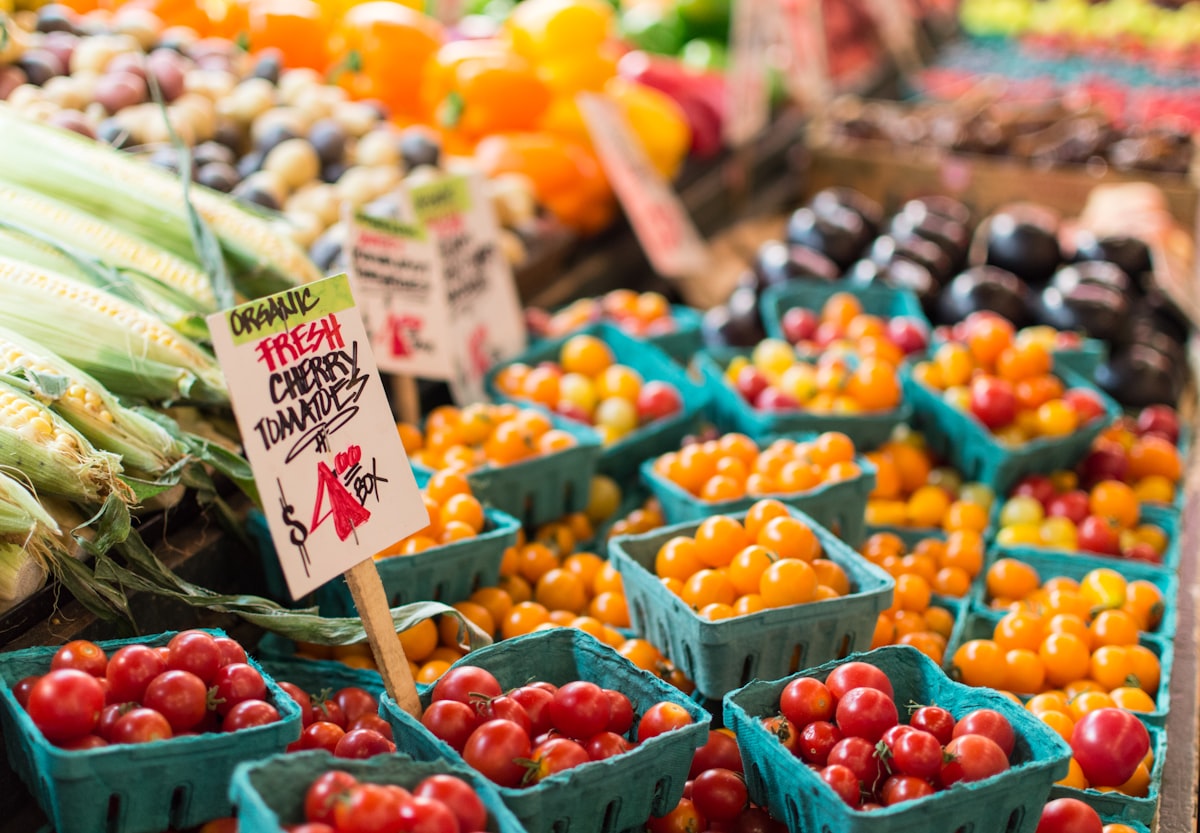
There's a tomato I still think about. Late August, a folding table at the market, still warm from the field, so heavy it bent the paper bag on the walk home. I ate it standing over the sink with a little salt, juice down my wrist, and it tasted like it had a reason to exist. That February I bought one that looked nearly identical — same red, same heft, same store — and it tasted like wet cardboard with ambition. Same fruit. The only thing that changed was the calendar. That gap nagged at me enough that I started keeping notes, and eventually those notes turned into the seasonal eating guide 2026 you're reading.
Not as a lecture about food miles, but as a working calendar of when things are actually good. Here's the quiet part most food content skips: seasonal produce isn't just kinder to the planet or the farmer. It tastes better, it costs less, and it's often more nutritious — all at once, in the same short window. The trick is knowing the window, then doing something with it before it closes.
Why "In Season" Is Three Promises, Not One
When someone says a vegetable is "in season," they usually mean it tastes good. But peak season is really three separate things happening at once, and understanding the mechanism behind each is what turned this from a nice idea into a habit I kept.
The first promise is flavor, and that February tomato is the proof. A crop harvested at its natural moment — ripened on the plant, not in a truck — has had time to convert starches into sugars and build the aromatic compounds that make a peach smell like a peach. Picked early to survive a long haul, that same fruit never finishes the job. The sweetness you're missing in the off-season isn't a metaphor. It's literal sugar that never formed.
The second promise is price, which is just supply and demand wearing an apron. When strawberries flood the region in their few weeks of glory, the price drops because there are suddenly more than the market can absorb, and you're paying the bottom of the curve. This matters more in 2026 than it has in years — with fresh produce running well above where it sat a year ago, the gap between asparagus in April and asparagus in November is real money. Eating seasonally to save on groceries isn't a frugality stunt; it's declining to pay the off-season tax for the freight and the storage.
The third promise is nutrition, and it's the one people doubt most — fairly, because it's the messiest. The research is less tidy than the flavor argument, but the direction is consistent: many fruits and vegetables carry more of certain vitamins — vitamin C and some antioxidants especially — when harvested ripe and eaten soon, versus picked early and stored for weeks. The deep orange of a fall squash, the purple-black sheen on a ripe fig is where a lot of the good stuff lives, and it develops with ripeness. Eat closer to the harvest and you're eating closer to the plant's peak.
Seasonality is the rare case where the delicious choice, the cheap choice, and the healthy choice are the same choice. You almost never get all three pointing the same direction. When they do, follow them.
The Month-by-Month Seasonal Eating Guide 2026
Think of this seasonal eating guide 2026 as a working calendar — the produce worth building a week around, organized by season. I've kept it to a temperate, broadly North American rhythm; your local market will run a few weeks ahead or behind, which is exactly why you treat it as a map, not a timetable. The most useful skill is reading your own market against it, not obeying it.
Spring (March, April, May): The Green Comeback

Spring is the most emotional season to eat, and that's not just sentiment — it lands after months of roots and storage crops, so the contrast is doing real work on your palate. Suddenly everything is tender and green and faintly grassy. Asparagus is the headline — snap a spear raw and it should be crisp and sweet, not woody — and it's at its cheapest and best in April and May. Peas, radishes, fava beans, spring onions, and the first leafy greens like baby spinach and arugula all crowd in. Toward the back end, strawberries start, a different species of pleasure from the hollow winter imports.
The flavor of spring is delicate, which should change how you cook it: less braising, more quick blanching and raw treatments, lots of lemon and herbs. Here's the why — long heat would flatten exactly the fresh, grassy notes you waited all winter for. A bunch of asparagus, blistered hot and fast and finished with good oil, is one of the best ten-minute things you can do all year.
Summer (June, July, August): The Abundance Problem

Summer is when the produce aisle stops being a chore and starts being a celebration — and, from painful personal experience, when most people waste the most food. The bounty is genuinely overwhelming: tomatoes (finally), stone fruit — peaches, nectarines, plums, apricots — corn, zucchini, berries of every kind, cucumbers, peppers, green beans, and eggplant.
This is the season to eat raw and barely-cooked, to let the ingredients carry the meal instead of technique, because in July the ingredients are better than anything you can do to them. A ripe peach needs nothing. A tomato wants salt and maybe basil and otherwise wants you to leave it alone. Corn shaved raw off the cob into a salad is a small revelation if your only reference is boiled. Prices crater in the deep summer weeks, especially in the last hour before the market closes.
But summer is also where the planning gap does its worst damage, and I've walked straight into the trap: you buy a flat of peaches because they're a dollar and gorgeous, and four days later three have gone soft and you're tipping money into the compost. The zucchini that took over the garden in July becomes a guilt object in the crisper drawer. The skill summer actually asks for isn't cooking — it's having a plan for the haul before you carry it home.
Fall (September, October, November): The Deep, Cheap Months

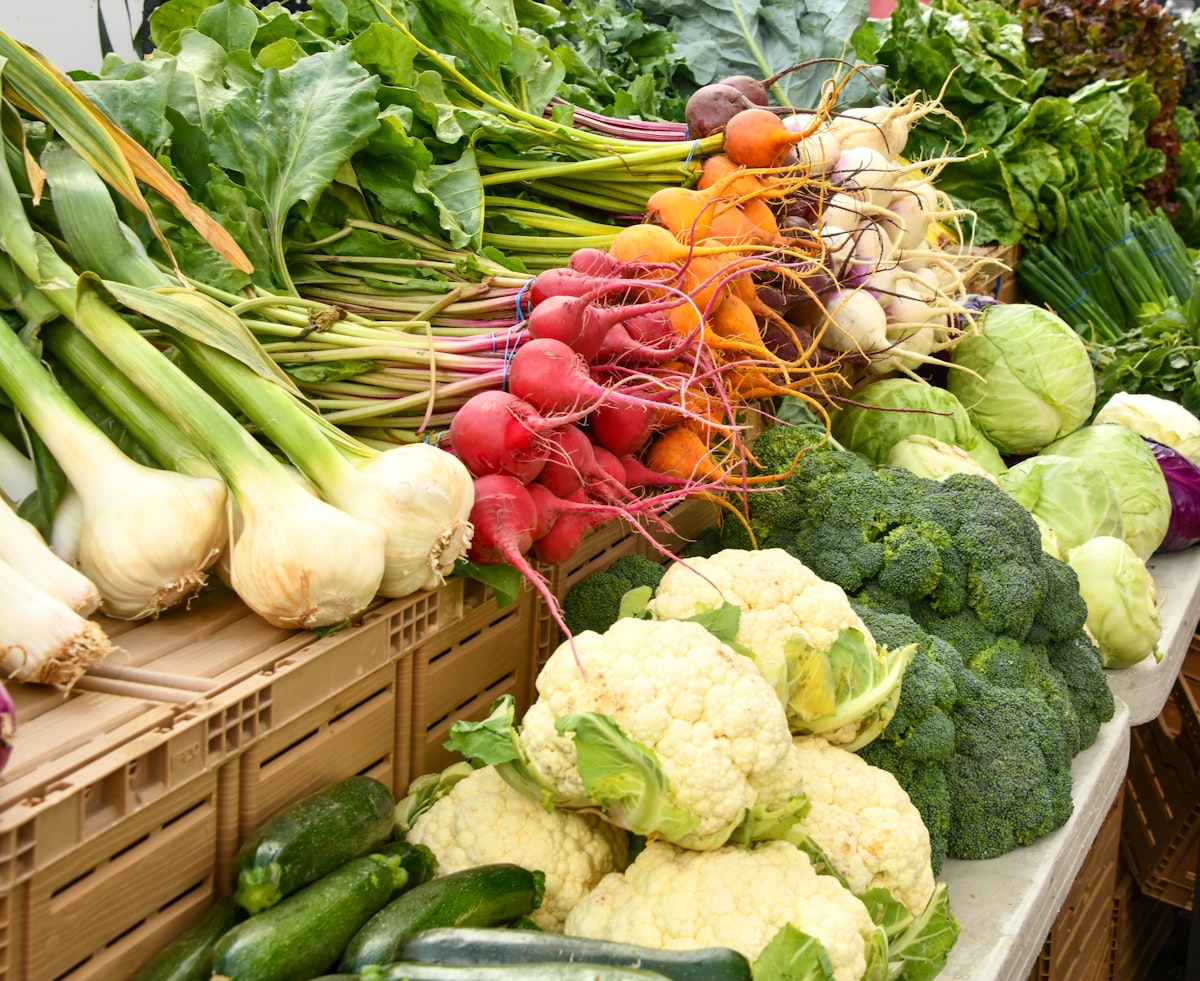
Fall is, to me, the most underrated season to eat well on a budget. The flavors turn warm and substantial: winter squash (butternut, delicata, kabocha), apples and pears at their crisp peak, Brussels sprouts, cauliflower, broccoli, sweet potatoes, beets, fennel, and the whole cabbage family hitting its stride.
Two things make fall special, and both are mechanisms, not vibes. First, the storage crops — squash, apples, root vegetables — keep for weeks without losing much, so you can buy in bulk at harvest prices and not race the clock. Second, this is roasting weather, and roasting is the cheapest way on earth to make cheap vegetables taste expensive. A sheet pan of cauliflower and Brussels sprouts roasted until the edges go dark and crisp is a genuinely different food than the sad steamed version — that browning is the Maillard reaction building nutty, savory notes the raw vegetable only hints at.
Winter (December, January, February): Better Than You Think

Winter has a bad reputation it doesn't fully deserve, and I say that as the guy who opened this whole piece dunking on a February tomato. Yes, the tomato is a lie in February — but that's one fruit out of season, not the whole season. Winter has its own genuine stars: citrus is at its absolute peak — oranges, grapefruit, the whole parade of mandarins and blood oranges and Meyer lemons — and a January citrus salad, all juice and bitter and bright, is a real pleasure, not a consolation prize. Hardy greens like kale and chard actually sweeten after a frost (the plant converts starches to sugars as antifreeze — the cold is doing you a favor). Storage squash, root vegetables, and leeks carry through.
Winter cooking leans into the slow and the warming — soups, braises, roasts — and the storage vegetables reward it, because long low heat is what turns a tough, cheap root into something silky. A well-stocked pantry and a few keep-forever vegetables quietly turn into a month of good dinners without an emergency grocery run.
The Catch Nobody Mentions: A Haul Is Not a Plan
Here's where most seasonal-eating resolutions quietly die, and I know the shape of it because mine died here for years. You read a guide like this one, you feel inspired, you go to the farmers market, and you come home with a beautiful, chaotic pile of things you have no plan for. The kohlrabi sits there because you genuinely don't know what kohlrabi wants. The peaches turn. By Wednesday you've ordered takeout twice and the romance is over.
So let me overturn the usual advice. Everyone tells you the hard part of seasonal eating is access — finding the market, buying the good stuff. It isn't. Seasonal eating without a plan is just seasonal guilt. The bottleneck was never access or good intentions — markets are everywhere, the produce is right there. The bottleneck is the gap between the haul and the dinner: a planning problem, not a willpower one. You don't need more discipline at the market; you need a plan waiting at home.
This is the part where I'll admit I'm biased, because closing that gap is the reason Grovli exists. It's built for food planning, not just meal planning, and that distinction is the whole point. Meal planning is deciding Tuesday's dinner. Food planning is the bigger loop — what's in season, what you already have, what you're growing, what you'll actually cook before it spoils. Seasonal eating lives in that loop or it doesn't live at all.
The practical move, the one inversion that fixed this for me, is to plan around what's good this week, not around a recipe you saw and then shopped to force into existence. When I come back from the market, I open the Plan feature and build the week from the haul — across 40-plus cuisines, so the same bag of eggplant can become a Sicilian caponata, a Thai stir-fry, or a smoky baba ganoush. The produce drives the plan, not the other way around.
If this is your kind of thing, the next one lands in your inbox — subscribe below.
How to Fold Seasonality Into a Real Week

Knowing what's in season is the easy half. Building it into a routine that survives a busy week is the half that decides whether any of this happens. A few things that have held up for me, plus one tool that does the bookkeeping I'd otherwise skip:
- Shop the season first, the recipe second. Walk the market or the produce section, buy what looks best and cheapest, then decide what to make. Reverse the usual order. This single inversion is the heart of seasonal food planning, and the one habit that changed the most for me.
- Learn three swaps per season, not a hundred recipes. Any fall sheet-pan formula takes whatever squash and brassica is cheapest, any summer salad takes whatever stone fruit is ripe, any braise takes whatever hardy green survived the frost. A method flexes to the season; a recipe locks you into one ingredient and sends you hunting off-season for it.
- Buy storage crops in bulk, tender crops in small batches. Squash, apples, onions, potatoes — buy a lot, they'll wait. Berries, asparagus, herbs, ripe tomatoes — only what you'll eat in a few days. Matching purchase size to shelf life is most of how you stop wasting money on produce.
- Let the list account for what you own. Half the off-season waste comes from buying things you already have. Grovli's Grocery feature dedupes against your Pantry and syncs to Instacart, so you're not buying a third jar of cumin or forgetting the farro already in the cupboard.
And if you grow even a little — a tomato plant on the porch, a pot of basil on the sill — that harvest is the most seasonal food you'll ever eat. The hard part, same as always, is cooking the thing before it bolts or rots. Grovli's The Grove lets you log what you're growing and feed the harvest back into your plan, so the August zucchini glut becomes dinner instead of a guilt object. (More on that loop in our piece on garden-to-table food planning.)
What Seasonality Quietly Teaches You

The thing I didn't expect, after a few years of eating this way, was that the constraint became the pleasure. When you can have any vegetable at any time, none of them feel like an event — abundance flattens everything to the same low hum. Wait for asparagus, and the first bunch in April is genuinely thrilling. The calendar gives food back its drama.
A cost-and-health dividend comes along almost for free. The cheaper, tastier produce is also the more nutritious produce — the three-promises overlap again — and because the cast keeps rotating, you end up eating a far wider variety of plants across the year than you would picking the same four vegetables every week. That rotation does more for how you actually eat than any single superfood could, because it's automatic rather than effortful. (It's also one of the easiest ways to hit real plant diversity — more in our piece on gut health and longevity.)
But none of it works if the beautiful haul rots in the drawer. Eating seasonally is really a discipline of attention — noticing what's good now, and having a plan ready to meet it. The noticing is on you; the plan can be helped. For more on how we think about food and the seasons, CitiGrove and Grovli are worth a follow.
Putting the Seasonal Eating Guide 2026 to Work This Week

You don't have to overhaul anything — please don't try to, that's how this fails. Just look up what's in season where you live this week and build one dinner around the cheapest, best-looking thing you find. That's the entire practice. Do it once and you'll feel the difference; the February-tomato problem solves itself the moment produce starts driving the decision instead of riding behind a recipe.
When you're ready to make it a rhythm instead of a one-off, that's what Grovli is for: build a week's food plan in under 30 seconds around what's in season, what's in your pantry, and what's coming from the garden. It's free to start on the web, and on iPhone if you'd rather plan from your pocket at the market.
The season's already started. The good stuff is on the table right now — go get it before the window shuts.
- pantry-first cooking
The Pantry-First Kitchen: Cooking From What You Already Own
I spent a Saturday pulling every item out of my pantry, and found four cans of chickpeas and three half-jars of cumin. The pantry-first kitchen fixes the most expensive blind spot in home cooking.
Read essay → - reducing food waste
The Low-Waste Kitchen Isn't About Trying Harder
I taped a list inside my cabinet and logged everything I threw out for a week. None of it was a cooking failure. All of it was a planning gap — and planning gaps are fixable by design, not willpower.
Read essay → - grocery shopping
The 20-Minute Grocery Run
I timed a normal grocery trip once. Eighty-four minutes. Almost none of it was walking or waiting — it was standing in aisles deciding what to cook. Move the deciding out of the store and the run collapses.
Read essay →
Let Grovli plan your food, not just your meals.
A personalized food plan in under 30 seconds — from what you grow to what lands on the table, with the grocery list already done.